Performance Development Programmes
Experiential challenges that build team and leadership performance
Our experienced facilitators have a proven track record of improving team and leadership performance in organisations globally.
Central to these programmes is our ability to guide people on their journey of self-awareness, and their understanding of others.
Our facilitators work with a number of instruments that help individuals to gain an insight into their preferred behaviours. They will also advise how those behaviours may need to be flexed to achieve results. We will work with you to identify the right tools to use to expand delegates vision of their most effective behaviours.
By combining powerful instruments and models with challenging experiential activities we facilitate long lasting changes in thinking and behaviour. Often these changes are impossible to achieve in the work place, because the environment is too constrained or threatening to allow the opportunities for experimentation.
Team and leadership development programmes – or keynote speakers
Will Carnegie and Mark Denton both skippered teams in the “world’s toughest” round-the- world yacht race, and either of them can provide highly relevant learning to inspire your teams and leaders to navigate the most challenging environments.
For leaders:
- Improving self-awareness and emotional intelligence
- Becoming a transformational leader
- Improving trust, collaboration, innovation, and motivation
- Instilling a growth mindset
- Becoming a situational leader
- Becoming a better coach
- Achieving bold goals
For teams
- Aligning purpose, vision, and values
- Improving self-awareness and communicating better
- Improving collaboration
- Embracing change
- Establishing a feedback culture
- Unsticking a stuck situation
- Being more influential.
Facilitated development will be enhanced with experiential learning challenges.


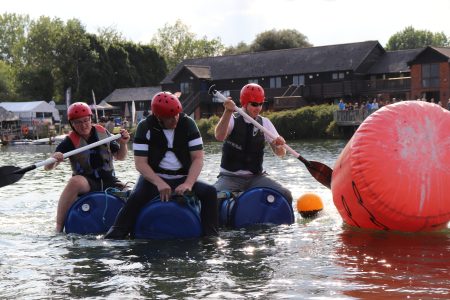
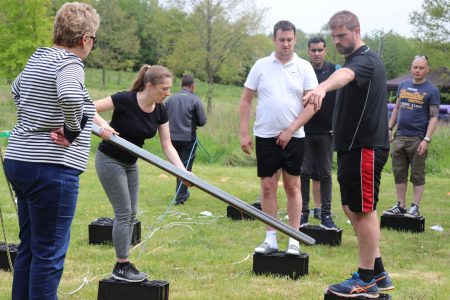


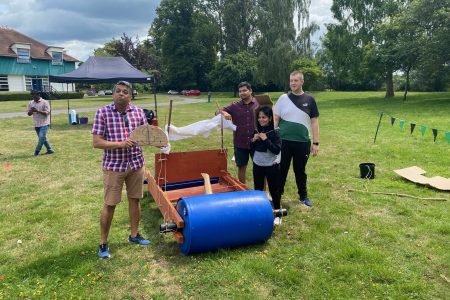
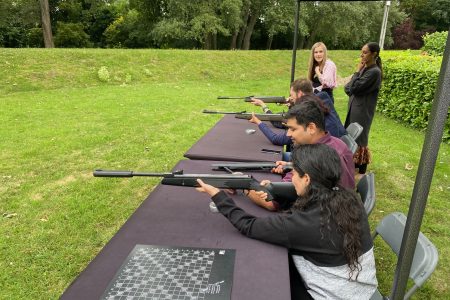


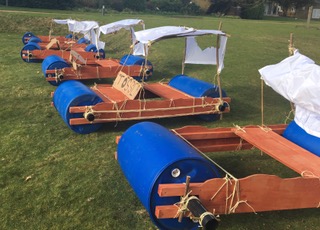
Hi 5 design and facilitate experiences that are equally applicable to an apprentice or graduate entrant on an induction programme as they are to the most senior team in a business.
Our whole approach is solutions focused. The brief we require from you, is a clear description of how individuals and teams should be behaving and performing differently after our intervention.
We can also provide continued individual and team business coaching back in the workplace to reinforce and extend performance development .
Activities can be tailored around the space available, indoors or outdoors at any location.

Strengthening Team Performance Through Experiential Learning
Developing strong performance in any organisation requires more than traditional training. It needs a learning environment where people can practise new behaviours, experiment safely and reflect at a deeper level. That is where performance development becomes transformational. By working with real challenges, meaningful conversations and hands on activities, your entire team has the chance to explore attitudes, expand self awareness and improve communication skills in a way that positively impacts day to day performance.
Performance development and employee engagement
Research shows that experiential learning helps team members understand how their decisions influence others, how team dynamics form and how to adjust approaches for better results. When the learning environment is supportive, the team members feel able to stretch themselves beyond their comfort zone and discover new ways to collaborate. This foundation creates the conditions for professional development that feels authentic, practical and immediately useful.
The Purpose of Performance Development
Performance development aims to enhance teamwork skills, strengthen communication and support effective team leadership. It helps organisations develop team leaders who can guide their teams through uncertainty, adapt thinking and approach challenges with confidence. The learning also benefits knowledge workers who need strong human skills, reflective thinking and clear understanding to collaborate effectively.
Our programmes are built to support the performance management processes that organisations rely on. This includes developing the mindset needed for performance reviews, helping team members understand how to interpret performance metrics and supporting line managers as they guide individuals toward their professional goals. When people understand how their learning links to corporate goals, they become more engaged and more committed to the team’s success.
How Experiential Learning Strengthens Teams
Experiential challenges allow teams to practise problem solving, improve collaboration and build better communication. When the entire team works together on a challenging task, they quickly discover their natural tendencies, communication preferences and areas for improvement. These activities help new team members settle in, support remote team engagement and create the sense of shared purpose that encourages teamwork.
Experiential learning helps teams work at a deeper level by providing situations that reveal strengths, habits and blind spots. Participants often recognise where team processes can be improved and where team relationships need attention. This awareness supports effective collaboration long after the event ends.
Benefits of Experiential Learning for Performance
Teams gain:
• Better communication
• Improved teamwork skills
• Stronger team dynamics
• Confidence with decision making
• Ability to solve problems under pressure
• Skills that support long term professional growth
These outcomes create a stronger foundation for performance development review discussions and a more open environment for honest feedback between team members.
Linking Performance Development to Day to Day Work
The strongest programmes connect learning to real workplace demands. By helping teams build new skills in a safe environment, participants return to work with the confidence to lead discussions, share ideas and support other members of the team. They learn how to track progress, understand individual objectives and apply strategic thinking to shared challenges.
Performance development also encourages employees to take ownership of their professional development. When team members feel involved in their own growth, they show higher levels of employee engagement and contribute more meaningfully to the organisation.

Building Skills That Strengthen Performance
Our programmes support the development of:
• Communication skills
• Strategic thinking
• Team leadership
• Improved collaboration
• Stress management
• Self reflection
• Relationship building
• Positive influence
These skills support effective performance management and make performance management strategy discussions far more productive.
Creating Stronger Team Dynamics
Team dynamics influence everything from communication to accountability. When teams work with honesty and openness, they perform more effectively and handle challenges with confidence. Performance development helps encourage teams to discuss behaviour, reflect on their impact and make the adjustments needed for successful teamwork.
Team building activities create shared experiences that help teams work through tension, build trust and strengthen team relationships. They also help the team members understand how to approach difficult conversations, how to give honest feedback and how to handle disagreements with respect.
A well guided team building event brings people closer together and boosts morale. It helps new team members integrate, supports remote team engagement and brings multiple teams together with shared purpose.
The Role of Leadership in Performance Development
Team leaders and managers play an essential role in effective teamwork. Their communication, behaviour and decision making influence the entire team. By supporting their development through experiential learning and reflective practice, organisations build leadership that inspires confidence and clarity.
Leadership development within performance programmes helps team leaders:
• Guide their team through change
• Build trust and motivation
• Create alignment with corporate goals
• Use appreciative inquiry to inspire creativity
• Improve communication
• Support an effective review process
When leaders gain these skills, the entire team benefits from better communication, increased confidence and more effective team collaboration.
Supporting Managers Through Training
Line managers are central to performance management. They guide performance development, lead performance reviews and oversee performance management processes. Supporting them through professional development builds confidence and strengthens the organisation.
Performance development programmes help line managers develop:
• Confidence when giving feedback
• The ability to encourage employees
• Consistency in performance management
• A clear understanding of key performance indicators
• The ability to identify new skills needed in their team
These improvements contribute directly to business success and create a work environment that encourages collaboration and positive behaviour.
Encouraging Collaboration Across Multiple Teams
Modern organisations rely on multiple teams that must work together effectively. When communication breaks down, so does productivity. Performance development strengthens the links between teams work, helping them reach the same page and focus on shared goals. Through challenging activities and structured reflection, teams learn how to improve communication, develop trust and collaborate more confidently.
These activities work equally well for new team formations, long standing groups and remote team members. When people experience shared challenges together, they develop mutual respect and deeper understanding.
Creating Better Communication Through Performance Learning
Effective communication fuels effective teamwork. Programmes that include communication skills training help team members feel more confident expressing ideas, raising concerns and addressing misunderstandings. This creates better communication across the organisation.
By practising communication techniques during activities, teams gain skills they can transfer directly to the workplace. They learn to listen actively, solve problems collectively and develop a clear understanding of expectations.
Performance Development and Company Culture
Company culture influences how teams behave, how they make decisions and how they collaborate. When organisations invest in performance development, they improve not only skills but the behaviours that support a positive culture. These programmes help team members understand how their actions influence team morale, job satisfaction and overall happiness at work.
A healthy culture encourages employees to share ideas, embrace feedback and support others. This approach strengthens company culture and ensures that performance development aligns with the organisation’s long term vision.
Embedding Performance Learning Into Performance Management
Performance development works best when combined with a strong performance management strategy. Organisations benefit when performance management processes and experiential learning reinforce one another. When team members understand key performance indicators, performance metrics and the expectations set for employee performance, they gain confidence in their roles.
Performance development also makes performance management conversations more open and meaningful. A strong pdr process helps identify areas for improvement, encourages teamwork and supports long term professional growth.
Encouraging Teams to Reflect and Grow
Self reflection is vital for personal development. When participants take time to examine their behaviour and reactions, they learn at a deeper level. Regular check ins during and after the programme help the entire team stay focused on growth and improvement.
Encouraging collaboration through reflection helps teams solve problems, improve teamwork and build strong relationships across teams.
Bringing Learning Back to the Workplace
An effective team development programme helps teams work better together long after the learning event. Through structured follow up, ongoing review and reinforcement of new behaviours, the organisation sees steady improvement.
Ongoing benefits include:
• Stronger team collaboration
• Improved communication
• Better performance management
• Greater clarity and focus
• Positive and engaged employees
These changes contribute to business success and create a culture where teams feel confident, motivated and ready for new challenges.
Final Thoughts
Performance development and effective performance management work hand in hand. When organisations invest in leadership growth, team collaboration and reflective practice, they build teams that thrive. Whether delivered in person or through virtual formats, these programmes help the entire team understand how to perform at their best. As team members feel supported and recognised, they contribute to a healthier, happier and more successful organisation.